From Friday Nights to Fantasy Leagues: The Greatest Football TV Shows Ever Made
As Super Bowl weekend approaches, football takes over screens far beyond the stadium. For decades, television has turned America’s most dramatic sport into unforgettable storytelling, capturing not just touchdowns and trophies but identity, ambition, community, and pressure. The best football shows are rarely about wins and losses alone. Instead, they use the game as a framework to explore life, relationships, power, failure, and redemption.
These series span genres, from raw dramas and sharp comedies to biographical storytelling and satire. Some focus on athletes chasing greatness. Others pull the curtain back on the business, culture, and obsession surrounding the sport. Together, they form a canon of television that resonates even with viewers who do not follow football closely.
Below is a ranked look at the most impactful football television shows ever produced, based on cultural influence, storytelling strength, character depth, and lasting relevance.
10. 1st & Ten (1984–1991)
One of the earliest television series to tackle professional football from the inside, 1st & Ten centers on the fictional California Bulls of the USFL. The show follows team owner Diane Barrow as she navigates a male-dominated sports world filled with egos, scandals, and excess.
What set the series apart was its willingness to blend satire with authenticity. Real NFL players and coaches appeared throughout its run, lending credibility to its exaggerated portrayals. While comedic in tone, 1st & Ten offered one of the first uncensored looks at the chaos behind professional football, long before prestige sports television became common.
9. Chad Powers (2025–Present)
A modern underdog story with an absurd twist, Chad Powers follows a disgraced former football player who disguises himself to re-enter the sport at the college level. Beneath the prosthetics and humor lies a story about identity, ego, and second chances.
The show works because it never relies solely on the gimmick. Instead, it builds emotional credibility around its protagonist, using football as a vehicle for personal reinvention. Its accessibility has helped it connect with audiences beyond traditional sports fans.
8. Blue Mountain State (2010–2011)
Loud, crude, and unapologetically exaggerated, Blue Mountain State dives headfirst into the excesses of college football culture. Centered on backup quarterback Alex Moran and the Goats of Blue Mountain State University, the series embraces chaos, hazing rituals, and locker-room absurdity.
Beneath the outrageous humor is a surprisingly accurate depiction of team hierarchies, peer pressure, and the emotional immaturity that often defines young athletes. Its cult following speaks to how effectively it captured a version of college football rarely shown elsewhere.
7. The League (2009–2015)
Rather than focusing on players, The League turns its attention to fans and obsession. The series revolves around a group of friends whose fantasy football league dominates their lives, relationships, and moral boundaries.
The brilliance of the show lies in its improvisational style and sharp understanding of competitive friendship. Football exists mostly through stats, trash talk, and emotional meltdowns, making the series instantly relatable to anyone who has ever taken fantasy sports too seriously.
6. American Sports Story: Aaron Hernandez (2024–Present)
This anthology series takes a darker approach to football storytelling. Its first season chronicles the rise and fall of Aaron Hernandez, tracing his journey from promising athlete to convicted murderer.
Rather than glorifying the sport, the series interrogates its failures. It examines fame, trauma, institutional neglect, and the crushing pressures placed on young athletes. Few football shows have confronted the sport’s consequences with such seriousness and depth.
5. Coach (1989–1997)
Coach blends traditional sitcom humor with the rhythms of college football. Craig T. Nelson’s Hayden Fox is gruff, stubborn, and deeply human, embodying the contradictions of leadership in sports.
The show succeeds by balancing football strategy with domestic life, showing how coaching affects marriages, friendships, and personal identity. Its warmth and accessibility helped bring football storytelling into mainstream family television.
4. Colin in Black & White (2021)
This limited series explores the formative years of Colin Kaepernick, focusing on race, belonging, and self-discovery. Football is present throughout, but it functions as a discipline that shapes character rather than the sole narrative focus.
By allowing Kaepernick to tell his own story, the series offers a rare perspective on how personal identity and athletic development intersect. It stands out for using football to address broader cultural and social realities.
3. Ballers (2015–2019)
Ballers shifts the spotlight from the field to the business of football. Following a former player turned financial manager, the series explores wealth, power, exploitation, and image management in professional sports.
The show’s appeal lies in its portrayal of what happens after the cheers fade. Contracts, injuries, loyalty, and personal downfall take center stage, revealing how football shapes lives long after the final whistle.
2. All American (2018–Present)
Inspired by a true story, All American follows a high school football star navigating two very different worlds. The series excels at character development, focusing on family, community, and systemic inequality.
Football provides the stakes, but the heart of the show lies in its exploration of adolescence, loyalty, and ambition. Its emotional storytelling and cultural relevance have made it one of the most enduring modern football dramas.
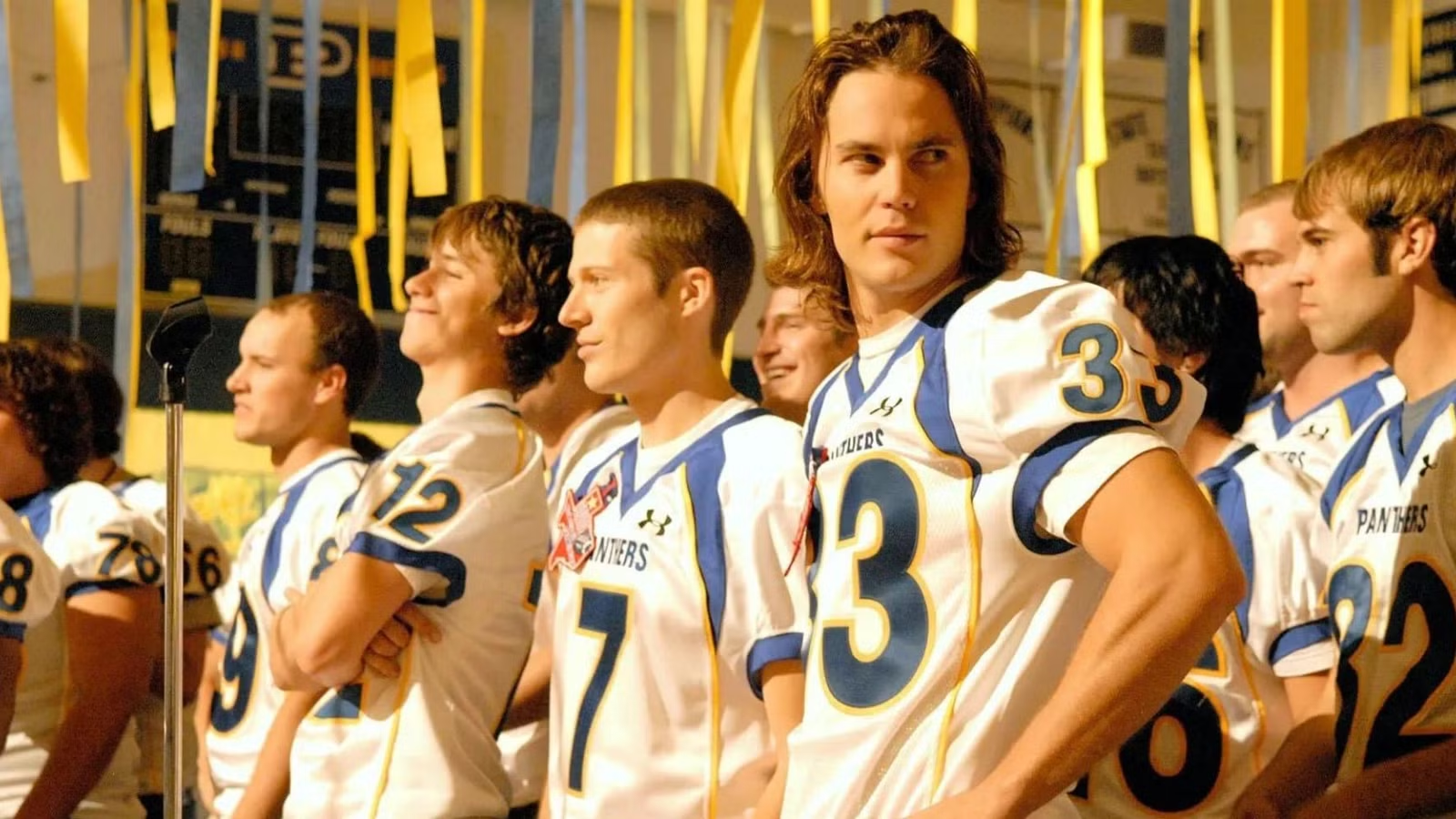
1. Friday Night Lights (2006–2011)
No football series has captured the soul of the sport quite like Friday Night Lights. Set in a Texas town where high school football defines identity, the show blends raw athletic realism with deeply human storytelling.
Its characters feel lived-in and universal. Victories are fragile, losses are devastating, and every game carries emotional weight far beyond the scoreboard. The series set a benchmark for sports television by proving that football stories could be intimate, literary, and emotionally profound.
From small-town fields to fantasy leagues and professional empires, these shows demonstrate why football remains such a powerful storytelling engine. Whether through comedy, tragedy, or character-driven drama, each series reveals a different truth about the sport and the people who live for it.