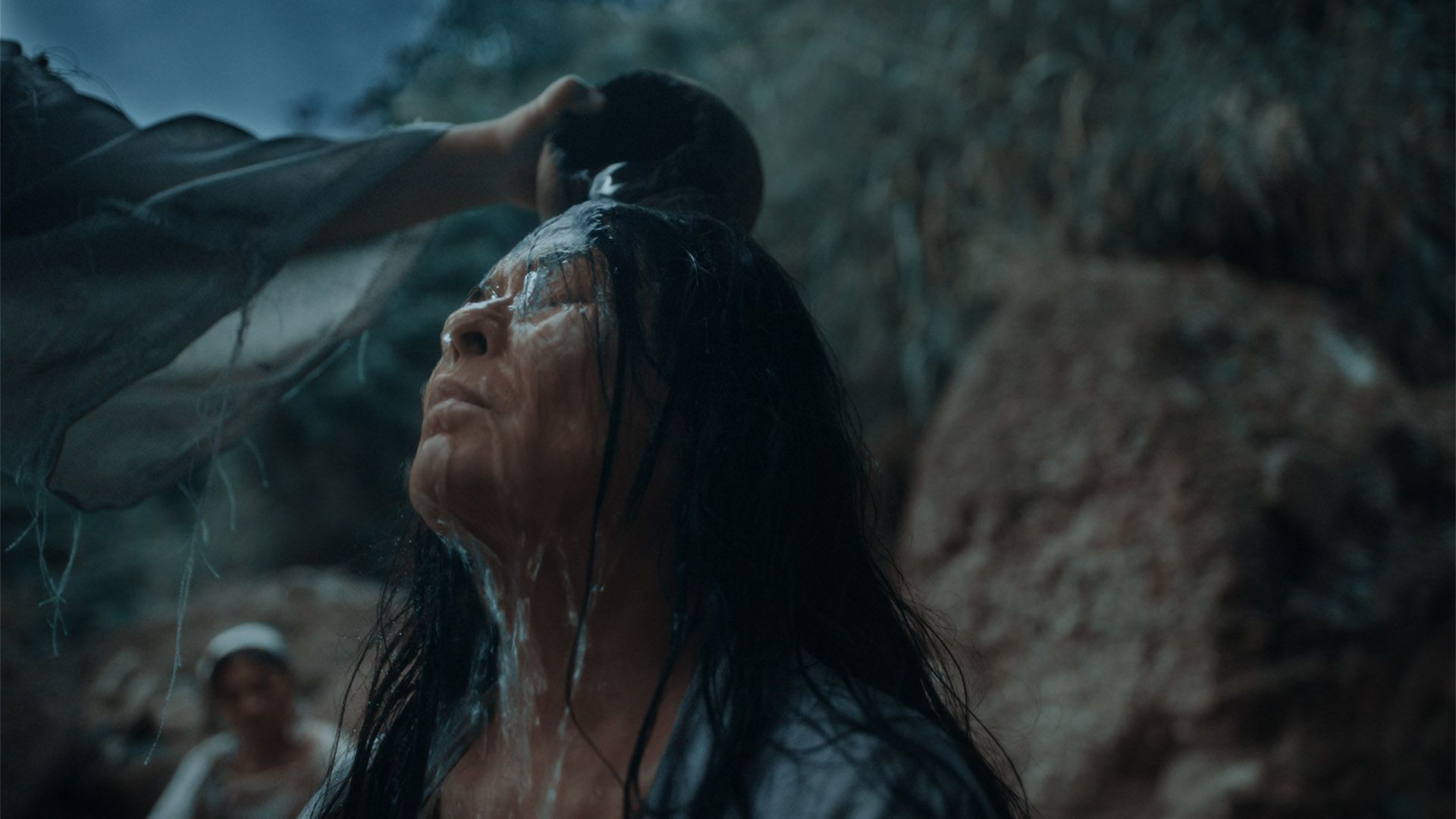
Sisa Film Review: A Story of Female Rage
This Sisa film review examines Jun Robles Lana’s gripping historical thriller that places female rage and survival at the center of a war-torn Philippine village. Set during the final days of the Philippine-American War, the film focuses less on battlefield heroics and more on the emotional lives of the women who remain behind.
From the opening moments, this Sisa film review reveals a striking creative decision by director Jun Robles Lana. The film largely sidelines male characters. Although American soldiers patrol the village and military leaders dictate the war’s broader direction, their presence stays mostly in the background. Instead, the real drama unfolds among the women left to endure the consequences of conflict.
Life in the village revolves around tension, grief, and simmering resentment. Delia, played by Eugene Domingo, worries constantly about her young daughter Nena. The girl spends too much time with a reckless American soldier, which fuels Delia’s anxiety. Meanwhile, Ofelia struggles to recover emotionally after American forces capture her husband, the village leader.
These personal tragedies bind the women together. However, unity does not erase their conflicts. Leonor, portrayed by Jennica Garcia, becomes the subject of widespread gossip and hostility. Villagers suspect she shares an intimate relationship with an American commander. Whether true or not, the rumor isolates her within the community.
This Sisa film review highlights how the women express their anger through sharp dialogue and subtle gestures. Sarcastic remarks, tense glances, and bitter arguments dominate daily life. These interactions offer brief emotional release from the crushing reality of occupation.
The film’s turning point arrives when a mysterious woman wanders into the village. The women immediately accept her and give her the name Sisa, referencing the tragic character from José Rizal’s classic novel Noli Me Tangere.
The new arrival, played by veteran actress Hilda Koronel, appears quiet and unstable. She speaks little, keeps to herself, and occasionally erupts in sudden anger. As a result, the villagers quickly label her insane and allow her to exist on the margins of village life.
However, this Sisa film review makes clear that her madness may conceal something far more dangerous. Beneath the calm exterior lies a deep desire for revenge against the American forces who destroyed her family.
Koronel’s performance stands as one of the film’s strongest elements. After more than a decade away from the big screen, the legendary actress returns with remarkable intensity. Her earlier collaborations with National Artist for Film Lino Brocka established her reputation as one of Philippine cinema’s finest performers.
In Sisa, she delivers a performance that relies heavily on physical expression rather than dialogue. Her silence often carries more weight than entire conversations. A trembling walk past American soldiers or a quiet glare toward Leonor communicates volumes about the character’s inner turmoil.
This Sisa film review also praises Eugene Domingo’s portrayal of Delia. Known for her versatility in both comedy and drama, Domingo captures the emotional breakdown of a mother pushed to her limits.
Delia begins as a woman quietly mourning what the war has taken from her family. However, her patience slowly erodes as tension grows within the village. Eventually, anger replaces grief. When that breaking point arrives, Delia’s transformation becomes both frightening and understandable.
The film reaches its strongest moments when it explores the theme of female rage. War films often center on soldiers and battles. In contrast, Sisa examines the emotional cost of occupation on women who must survive without power or protection.
Nevertheless, this Sisa film review notes that these powerful moments sometimes appear too briefly. The narrative occasionally shifts back to the familiar storyline of colonized Filipinos resisting foreign rule.
While historically important, that broader conflict feels less compelling than the interpersonal drama among the village women. Their rivalries, secrets, and grudges generate the film’s most engaging scenes.
Director Jun Robles Lana has built a reputation for creating character-driven dramas. Films such as Mga Kuwentong Barbero demonstrated his ability to portray grief and resilience through complex female characters.
In Sisa, Lana continues that tradition. He carefully builds the emotional journeys of each woman, allowing their anger to simmer slowly throughout the story.
By the final act, nearly every character seeks some form of retribution. Each woman must decide how far she will go to reclaim control over her life.
The resolution avoids a traditional action climax. Instead, Lana delivers a series of quieter moments of revenge. Each character confronts her personal pain in different ways.
This Sisa film review concludes that the film succeeds most when it embraces its core theme. Female anger becomes both a survival tool and a dangerous force capable of reshaping lives.
Rather than offering simple moral lessons, Sisa leaves audiences with difficult questions. The story challenges viewers to consider how far someone might go when revenge appears within reach.
In the end, Jun Robles Lana’s film stands as a powerful meditation on trauma, resistance, and the hidden battles fought far from the front lines of war.